
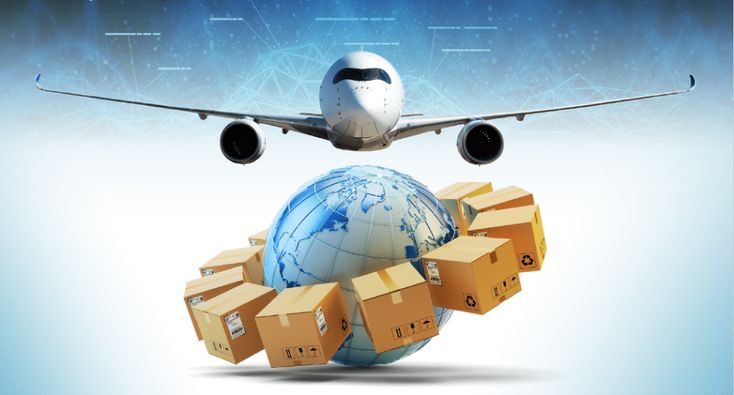
Resilient Supply Chains: 9 Essential Ways Dubai’s Logistics Network Strengthens UAE Supply Chain Resilience
In today’s unpredictable global economy, resilience is no longer optional — it is strategic survival.
From geopolitical tensions to shipping disruptions and sudden demand spikes, businesses need supply chains that can adapt instantly. That’s exactly where resilient supply chains powered by the logistics network Dubai offers become a competitive advantage.
Dubai has transformed itself into a global backbone for trade by combining infrastructure, technology, and smart governance. The result? Stronger UAE supply chain resilience that supports businesses across continents.
Why Resilience Matters More Than Ever
Global supply chains are more interconnected — and more vulnerable — than ever before.
A single delay at a port or disruption in a shipping route can ripple across industries. Dubai recognized this risk early and invested heavily in creating a logistics ecosystem built not just for speed — but for stability.
This article explores how Dubai’s logistics framework strengthens resilient supply chains worldwide.
Table of Contents
- Strategic Geographic Positioning
- Diversified Sea & Air Connectivity
- World-Class Port Infrastructure
- Aviation-Driven Supply Chain Flexibility
- Free Zones Enhancing Operational Agility
- Digital Trade & Smart Customs Systems
- Regional Gateway for GCC & MEA Markets
- Crisis-Ready Multimodal Logistics
- Future-Focused Sustainable Infrastructure
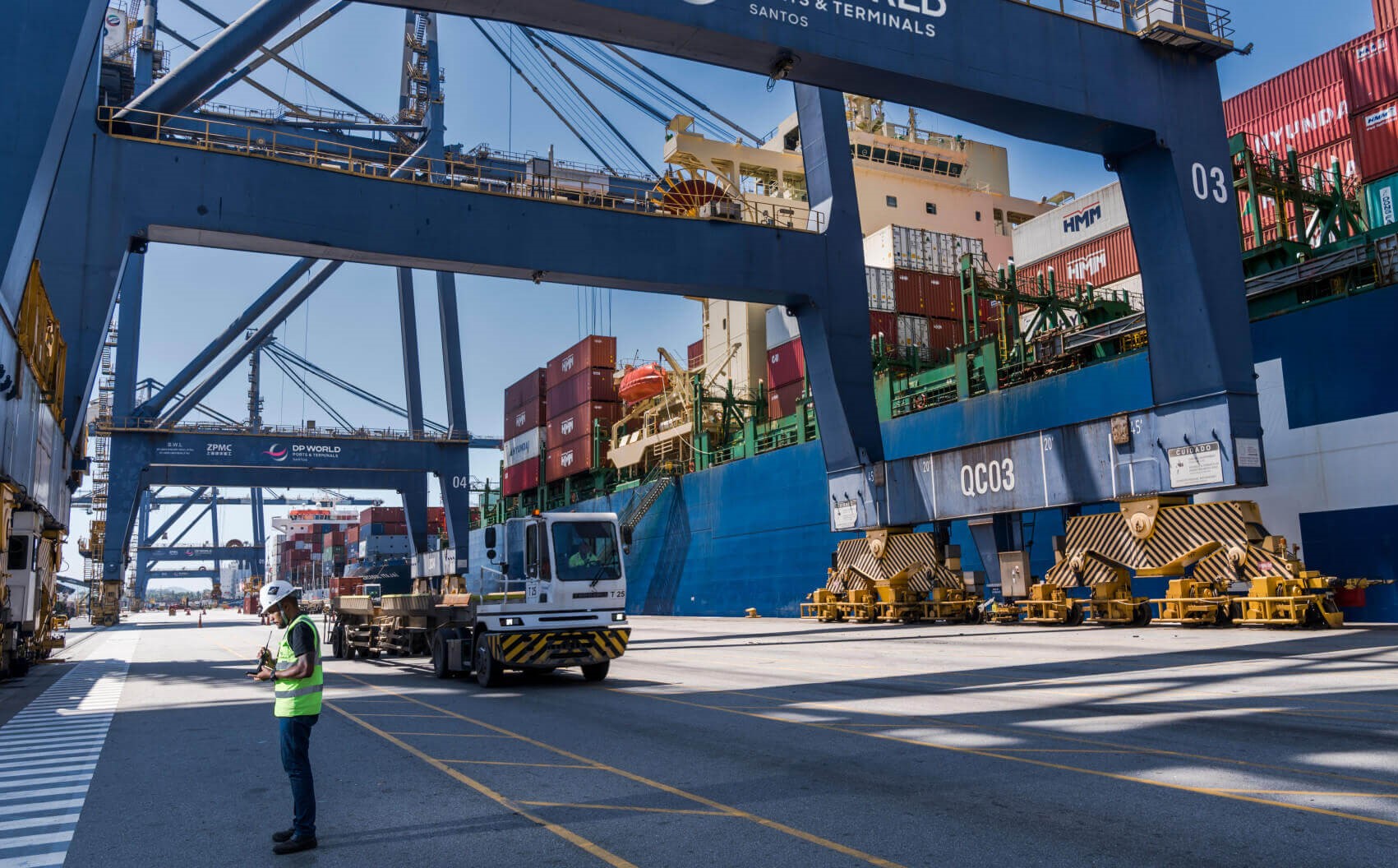
Strategic Geographic Position Reducing Risk Exposure
Dubai sits at the crossroads of Asia, Europe, and Africa — within eight hours of two-thirds of the global population.
This positioning allows businesses to:
- Diversify supplier bases
- Reduce transit uncertainty
- Improve market accessibility
Geography itself becomes a foundation for resilient supply chains.
Diversified Sea & Air Connectivity
Dubai’s logistics strength lies in options.
Key infrastructure includes:
- Jebel Ali Port
- Dubai International Airport
If sea freight slows, air freight compensates. If one trade lane faces disruption, alternatives are available.
This flexibility strengthens UAE supply chain resilience significantly.
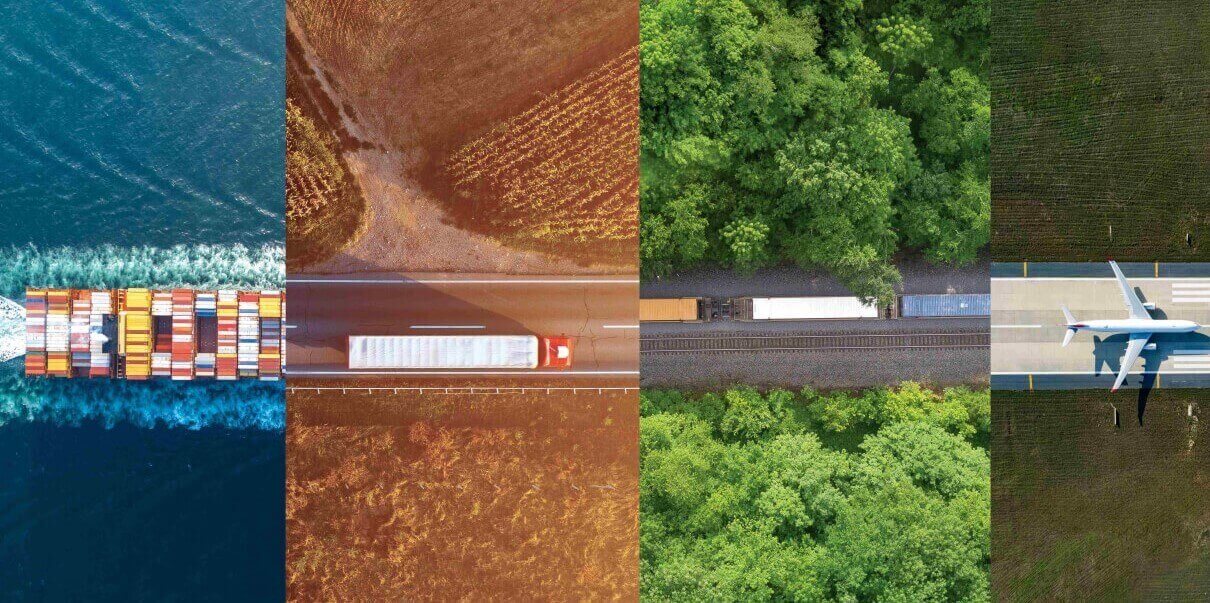
World-Class Port Infrastructure Designed for Scale
Operated by DP World, Dubai’s port infrastructure offers:
- High container handling capacity
- Fast vessel turnaround
- Automated cargo systems
Modern infrastructure reduces congestion risk and enhances reliability.
Aviation Infrastructure Supporting Time-Sensitive Supply Chains
With facilities like Al Maktoum International Airport, Dubai supports:
- Express cargo
- High-value goods
- Emergency shipments
Air logistics adds speed to resilience — a critical factor in modern trade.
Free Zones Enhancing Operational Agility
Free zones like Jebel Ali Free Zone empower companies to:
- Store goods duty-free
- Re-export efficiently
- Consolidate shipments regionally
Operational agility reduces dependency on single-market distribution.
Smart Customs & Digital Trade Platforms
Dubai integrates technology into its logistics ecosystem through:
- Paperless customs clearance
- AI-powered cargo monitoring
- Blockchain trade documentation
These systems reduce delays, enhance transparency, and prevent bottlenecks — critical components of resilient supply chains.
Gateway to GCC & Emerging Markets
From Dubai, companies can efficiently access:
- Saudi Arabia
- Oman
- Kuwait
- Africa & South Asia
This regional gateway role strengthens the logistics network Dubai offers for international companies.
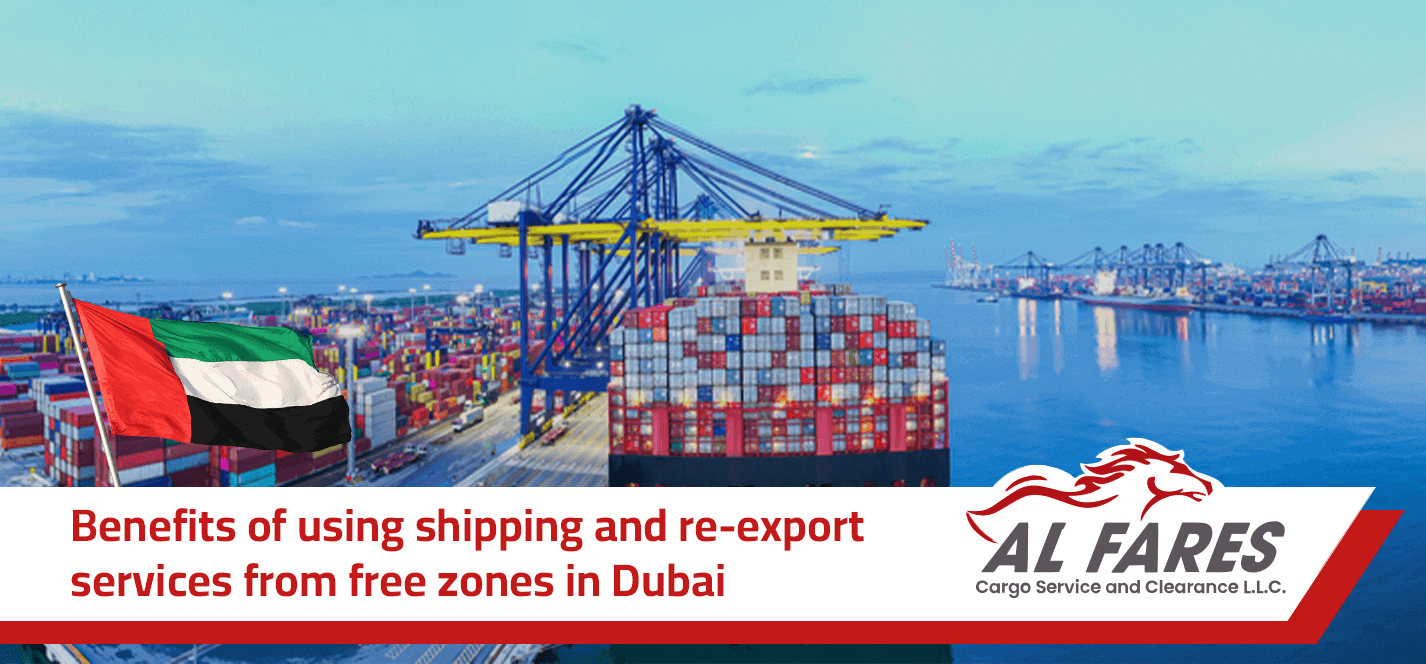
Crisis-Ready Multimodal Infrastructure
During global disruptions, Dubai demonstrated:
- Rapid route diversification
- Policy agility
- Multimodal freight adjustments
Sea, air, and land integration enables quick reconfiguration of supply routes — a cornerstone of UAE supply chain resilience.
Sustainable & Future-Ready Logistics Development
Long-term resilience depends on sustainability.
Dubai invests in:
- Energy-efficient terminals
- Green transport fleets
- Smart warehouse automation
Future-proof infrastructure ensures supply chains remain strong in both economic and environmental terms.
Conclusion: Dubai’s Logistics Network Is Built for Stability
Dubai has successfully built more than a trade hub — it has built a resilient ecosystem.
Through strategic positioning, advanced infrastructure, multimodal connectivity, and digital innovation, Dubai strengthens global commerce and protects businesses from uncertainty.
For companies seeking dependable operations, the logistics network Dubai provides delivers measurable UAE supply chain resilience.
In a world defined by disruption, resilience is power — and Dubai leads with both.